
AML Policy & Procedure Services in Oman
What Is AML Compliance and Why Does It Matter?
AML compliance is more than a regulatory requirement it is a safeguard against financial crime and reputational damage. In Oman, where regulators enforce strict due diligence and reporting obligations, AML frameworks protect businesses from penalties, legal exposure, and investor distrust.
Without AML compliance, companies risk fines, license suspension, and reputational harm. With structured AML policies, organizations gain transparency, resilience, and stakeholder confidence.

Scope of AML Policy & Procedure Services
Anti‑Money Laundering (AML) services are essential for protecting businesses from financial crimes, reputational damage, and regulatory penalties. In Oman’s strict regulatory environment, AML compliance helps organizations detect suspicious activity early and act responsibly.
Effective AML frameworks support transparency, promote ethical operations, and build trust with stakeholders and regulators alike.
By implementing strong internal controls, customized policies, and risk‑based monitoring systems, MFN Auditing helps businesses maintain legal compliance and secure long‑term operational integrity.
Process of AML Policy & Procedure Services
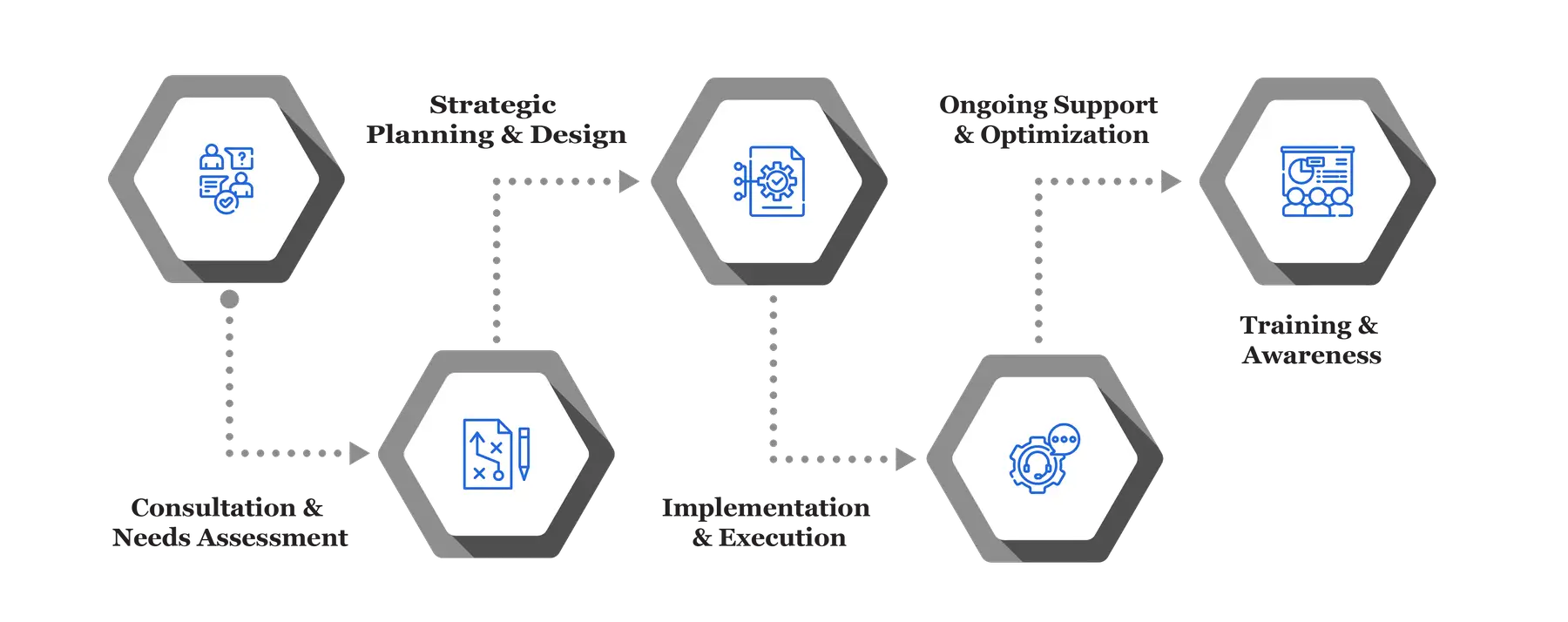
Consultation & Needs Assessment – Personalized consultations to assess AML gaps.
Strategic Planning & Design – Scalable AML programs aligned with FATF standards.
Implementation & Execution – Customized AML policies and procedures rolled out effectively.
Ongoing Support & Optimization – Continuous monitoring and updates to meet evolving regulations.
Training & Awareness – Tailored sessions to equip teams with AML knowledge.
Book an Appointment with Us
Schedule a consultation with MFN Auditing Services today and discover how our expert Actuarial Valuation and financial consulting services can enhance the accuracy and reliability of your financial records.
Key Components of a Strong AML Framework
Governance & Accountability – Clear roles and responsibilities across the organization.
Risk‑Based Approach – Identification and prioritization of money laundering risks.
Policies & Procedures Manual – Guidance for employees on AML obligations.
Regular Staff Training – Awareness of red flags and reporting obligations.
Ongoing Monitoring & Review – Transaction monitoring and independent audits.
Timely Reporting – Compliance with suspicious transaction reporting requirements.
AML Regulations in Oman
- Central Bank of Oman (CBO) – Issues AML guidelines enforcing customer due diligence and transaction analysis.
- National Centre for Financial Information (NCFI) – Receives suspicious transaction reports and coordinates with agencies.
- FATF Grey List Updates – Drive Oman’s compliance expectations and global reputation.
- Royal Decree No. 30/2016 – Mandates AML compliance, risk assessments, and reporting.
MFN Auditing ensures alignment with these regulations, supported by CAMS‑certified specialists.
MFN Auditing’s AML Policy & Procedure Services
AML Risk Assessment & Gap Analysis – Identifying exposure using risk indicators.
Policy Drafting & Documentation – Custom AML policies covering due diligence and reporting.
KYC & CDD Frameworks – Risk‑based onboarding aligned with AML regulations.
Transaction Monitoring & Red Flag Detection – Systems to detect suspicious activity.
AML Training for Staff & Stakeholders – Role‑based training programs for awareness.
Ongoing Compliance Monitoring & Internal Audits – Periodic reviews to ensure effectiveness.
How Much Do AML Services Cost in Oman?
Costs vary depending on company size, industry, and scope of AML requirements. SMEs may require basic KYC frameworks, while larger corporations often need comprehensive AML programs.
MFN Auditing provides estimated pricing but always customizes quotes to industry‑specific requirements.
Note: Costs are estimates. Contact MFN Auditing for a customized quote.
Documents Needed for AML Compliance in Oman
To ensure smooth AML implementation, businesses should prepare:
- Company registration and governance documents
- Customer onboarding records and KYC data
- Financial statements and transaction records
- Risk assessment reports
- Internal policies and procedures manuals
MFN Auditing provides detailed checklists to ensure readiness and avoid delays.
Eligibility to Apply for AML Services in Oman
AML services are required for:
- Financial institutions and banks
- Real estate firms and brokers
- Trading and investment companies
- Insurance and capital market entities
- SMEs handling client funds or high‑value transactions
Project Timelines for AML Policy & Procedure Services in Oman
Service Type | Estimated Timeline
- AML Policy Development – 2–3 months
- Risk Assessments – 1–2 months
- Identity Verification Setup – 2–4 months
- Full AML Program – 4–8 months
Note: Timelines are estimates. Actual duration depends on company size, industry, and readiness of documentation.
What Happens If AML Compliance Is Not Maintained?
Failure to maintain AML compliance can result in:
- Financial Penalties – Fines for non‑reporting or weak controls.
- License Suspension – Regulators may suspend or revoke licenses.
- Legal Action – Investigations under AML and CTF laws.
- Reputational Damage – Loss of investor trust and contract eligibility.
MFN Auditing helps businesses avoid these risks by managing deadlines and ensuring compliance.
Relevant Laws, Standards, or Industry Frameworks
- AML Regulations (RD 30/2016) – Mandates compliance and reporting.
- Privacy & Data Protection Regulations – Protect customer data.
- Capital Market Law (RD 80/1998) – AML obligations for listed firms.
- FATF Recommendations – International AML standards.
- Oman Commercial Companies Law (RD 18/2019) – Corporate AML obligations.
- ISO 37001:2016 – Anti‑bribery management standard supporting AML efforts.
Key Benefits of AML Policy & Procedure Services in Oman
Cost Savings – Prevents penalties and reduces inefficiencies.
Risk Reduction – Ensures compliance with Omani laws and FATF standards.
Operational Efficiency – Strengthens systems and improves monitoring.
Investor Confidence – Builds credibility with stakeholders.
Strategic Alignment – Positions businesses to meet Vision 2040 goals.
Challenges Without AML Compliance
Companies without AML frameworks face penalties, reputational damage, and operational instability. In Oman, frequent updates in AML and CTF laws make unmanaged compliance unsustainable. MFN Auditing helps overcome these challenges with proactive, regulator‑aligned strategies.
Core Tools & Technologies in AML Services
| Category | Common Tools/Technologies | Primary Use Case |
|---|---|---|
| Transaction Monitoring | Actimize, SAS AML | Detect suspicious activity |
| Document Management | SharePoint, DocuSign | Secure handling of AML records |
| Compliance Tools | CaseWare, AuditBoard | Governance & regulatory alignment |
| Data Analytics | Power BI, Tableau | Risk monitoring & red flag detection |
| Communication Platforms | MS Teams, Zoom | Training & stakeholder engagement |
Why Choose MFN Auditing for AML Compliance Programs
MFN Auditing brings expert knowledge of Omani AML laws combined with international compliance standards. Our certified specialists tailor AML frameworks to match sector‑specific risk exposure. We offer scalable solutions that evolve with regulatory updates and business growth. Our team ensures accurate documentation and efficient handling of reporting duties. Clients trust us for confidentiality, precision, and fast turnaround in compliance matters. We help businesses build strong, defensible AML programs that reduce risk and ensure peace of mind.
Contact Us
FAQS
Pricing depends on business size, complexity, customization needs, and regulatory requirements.
Yes. MFN Auditing tailors AML frameworks to match industry‑specific risks and compliance obligations.