Author name: waseem

stock audit services omanaudit firm licensing Oman

Stock Audit and Financial Statement Accuracy: Why Inventory Verification Matters

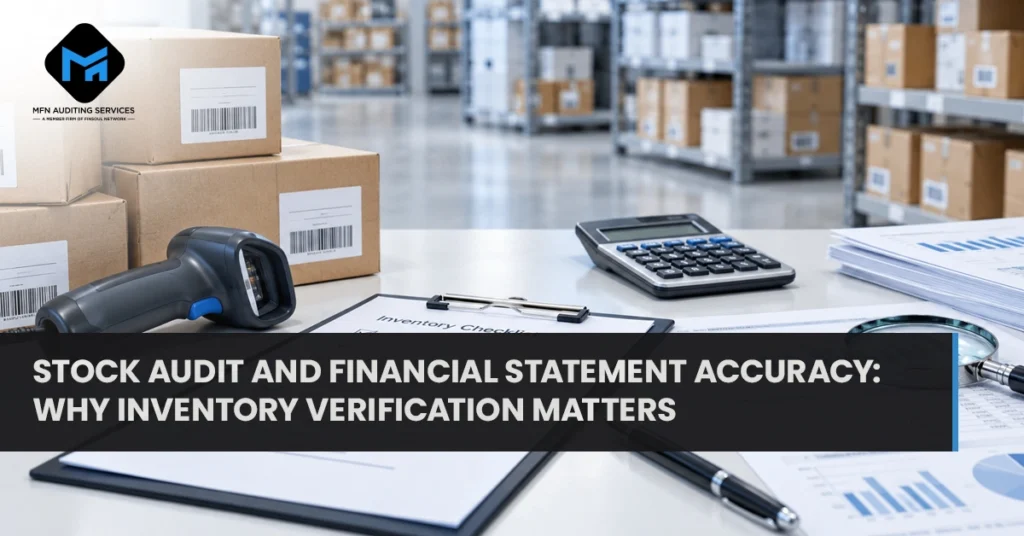
Inventory errors can distort a company’s reported assets, cost of sales, and profitability. When accounting records show stock that is missing, damaged, obsolete or incorrectly valued, financial statements present an inaccurate picture of business performance. These errors also affect purchasing decisions, cash flow planning, and management’s ability to assess financial results. Stock audit services in Oman help businesses verify physical inventory against accounting records, investigate discrepancies, and assess whether stock values are properly reflected in financial statements. For retailers, wholesalers, manufacturers, and warehouse operators, accurate inventory records provide essential evidence for financial reporting. A stock audit goes beyond counting products on shelves. It examines inventory quantities, ownership, condition, valuation, and transaction records to identify differences between recorded figures and actual stock. Effective verification gives business owners stronger control over inventory assets while helping finance teams prepare reliable year-end accounts.  How Does a Stock Audit Improve Financial Statement Accuracy? Inventory is a key component of the balance sheet for businesses that hold goods for resale, raw materials or finished products. Its recorded value also affects the cost of goods sold and reported profit when inventory is sold or consumed. If closing inventory is overstated, the business may report higher current assets and profit than the underlying records support. If inventory is understated, reported assets and profit may be lower than they should be. Errors in stock movements can also shift purchases or sales into the wrong accounting period. Consider a trading company whose accounting system records closing inventory at OMR 120,000. A physical count identifies missing, damaged or otherwise unsupported stock worth OMR 8,000. The difference requires investigation before management finalises the inventory balance. If the full OMR 8,000 difference represents a confirmed inventory overstatement, the business must assess the appropriate accounting adjustment. The final treatment depends on the cause of the discrepancy and the applicable accounting requirements. A properly scoped stock audit examines several financial reporting areas: Inventory existence: Confirms that recorded stock is physically present or supported by appropriate evidence when held elsewhere. Completeness: Checks that inventory owned by the business is included in the accounting records. Valuation: Reviews inventory costs, cost calculations, and write-downs for damaged or obsolete goods. Ownership: Establishes whether the business owns the recorded stock, including goods held by third parties. Cut-off accuracy: Checks that purchases, sales, receipts, and dispatches are recorded in the correct accounting period. Financial statement presentation: Assesses whether inventory balances are appropriately classified and disclosed. What Causes Inventory Discrepancies in Business Accounts? Inventory discrepancies arise when physical stock, operational records, and accounting balances do not agree. Without regular verification, small errors can accumulate until they affect financial reporting or reveal weaknesses in stock control. Unrecorded Stock Movements Goods received without timely system updates create differences between physical quantities and recorded balances. The same problem occurs when sales, returns, transfers, or material issues are recorded late. A stock audit traces these movements to supporting documents, including purchase orders, goods received notes, delivery records, sales invoices, and warehouse transfer records. Theft, Loss and Damage Missing goods, damaged products, expired items, and unexplained stock losses reduce the value of inventory available for sale or production. Businesses that rely entirely on system balances can carry these items at values that no longer reflect their condition. Physical verification identifies discrepancies for investigation. Damaged or obsolete inventory also requires an appropriate valuation assessment before the accounts are finalised. Incorrect Inventory Valuation Incorrect purchase costs, inaccurate cost allocations, and inconsistent costing methods distort inventory values. Manufacturing businesses face additional complexity when calculating work-in-progress costs, production overheads, and finished goods. Under IAS 2, inventory is measured at the lower of cost and net realisable value. Businesses need documented costing methods, accurate supporting records, and appropriate write-downs to apply this principle correctly. Weak Stock Reconciliation Some businesses conduct physical counts but fail to investigate the differences. Others adjust accounting records without retaining adequate evidence explaining the changes. Effective reconciliation connects each material variance to its cause, supporting documentation and approved accounting treatment. This creates a clear audit trail for management review and financial reporting. How Stock Audit Procedures Verify Inventory Accuracy Effective stock audit procedures combine physical verification with accounting checks, documentary evidence and valuation testing. The scope reflects the size of the inventory balance, the complexity of stock movements and the risks identified during the review. 1. Plan the Stock Count The process begins with identifying inventory locations, item categories, stock volumes and the records required for verification. The auditor establishes the count approach, responsibilities, timing and procedures for controlling inventory movements during the count. Businesses with multiple warehouses or high transaction volumes benefit from a documented plan that covers each relevant location. 2. Conduct Physical Inventory Verification The count compares actual quantities with the inventory records. Depending on the assignment, verification covers raw materials, work in progress, finished goods, spare parts and merchandise held for resale. Auditors use test counts, item identification, count sheets and supporting records to establish whether quantities are accurately recorded. Goods held at third-party warehouses also require appropriate evidence of existence and ownership. 3. Reconcile Physical Stock With Accounting Records The physical count results are compared with warehouse registers, inventory management systems and general ledger balances. Differences are documented for further investigation. Common discrepancies include unrecorded receipts, incorrect dispatch quantities, duplicate entries, unauthorised stock adjustments and errors in product identification. Reconciliation identifies the underlying causes rather than treating every difference as a simple counting mistake. 4. Review Inventory Valuation The review checks whether stock costs are supported by purchase invoices, production records and relevant cost calculations. It also identifies damaged, expired, obsolete or slow-moving items that require further valuation assessment. For businesses applying IAS 2, inventory is generally carried at the lower of cost and net realisable value. The review assesses whether the recorded balance reflects the applicable accounting policy and whether necessary write-downs have been recognised. 5. Check Transaction Cut-Off Transactions close to the reporting date need particular attention. Goods received before year-end but recorded afterwards can affect inventory completeness. Dispatches recorded

Stock Audit and Financial Statement Accuracy: Why Inventory Verification Matters Read More »

audit firm licensing Oman

Oman FSA Audit Firm Licensing Rules 2026: What Businesses Must Know

Hiring an audit firm without the correct professional licence puts your company’s financial reporting and compliance arrangements at risk. In Oman, a Commercial Registration (CR) alone does not authorise a firm to provide accounting and auditing services. The Financial Services Authority (FSA) regulates the profession, and businesses need to verify an audit firm’s authorisation before signing an engagement or submitting financial records. The audit firm licensing Oman framework has received increased regulatory attention in 2026, with the FSA taking action against unlicensed practice, incomplete registration and breaches of professional requirements.  These developments matter to companies appointing external auditors, existing audit practices renewing their licences and businesses checking whether their appointed firm is authorised to carry out the required work. What Is the FSA’s Role in Audit Firm Licensing in Oman? Oman’s Financial Services Authority regulates the accounting and auditing profession under the framework established by Royal Decree No. 20/2024, which transferred responsibility for regulating and licensing the profession from the Ministry of Commerce, Industry and Investment Promotion (MOCIIP) to the FSA. The profession remains governed by the Accounting and Auditing Profession Law issued under Royal Decree No. 77/86, alongside applicable decisions, regulations and professional standards. The FSA’s responsibilities include licensing accounting and auditing practices, maintaining professional registers, monitoring compliance and taking action against violations. Its oversight covers the authorisation of firms and the professional conduct of those carrying out audit work. Why the Licensing Framework Matters in 2026 The FSA’s regulatory activity during 2026 has reinforced the need to verify authorisation rather than rely on a company’s commercial documents. Key developments include: February 2026: The FSA warned businesses to verify accounting firms’ authorisation and stated that a commercial registration does not grant permission to practise accounting and auditing without the required professional licence. June 2026: The FSA directed applicants with previously submitted registration and licensing applications to complete their procedures and provide the necessary documents within a specified 30-day period beginning on 2 June 2026. The circular stated that earlier procedures or approvals would be invalid for applicants who failed to complete the required steps within that period. July 2026: The FSA announced enforcement action against an audit firm over violations involving unlicensed practice, audit-report signatures, professional experience and licence renewal. October 2026: The FSA warned firms against assigning audit and account examination work to individuals who were not registered employees of the firm. Requirements of Audit Firm Licensing in Oman An accounting or auditing practice needs the appropriate FSA authorisation before providing regulated professional services. The application route and supporting documents depend on the type of licence or approval being requested. Businesses establishing an audit practice need to distinguish between the requirements for registering a commercial entity and those for obtaining professional permission to practise. 1. Commercial Registration The applicant needs the relevant commercial registration documentation for the business. This establishes the company’s registered identity and business details. However, a CR does not replace the FSA’s professional licence. A business that has completed its commercial registration still needs the applicable authorisation before providing accounting and auditing services. 2. Professional and Academic Qualifications The FSA’s licensing procedures include requirements relating to professional competence and academic qualifications. The exact requirements depend on the application category and the applicant’s role. Applicants should prepare the qualifications, academic records and experience certificates specified for their application. Where the procedure requires evidence of practical accounting or auditing experience, the submitted records need to demonstrate that experience. 3. Practical Experience Relevant professional experience forms part of the requirements for certain licensing and auditor-approval applications. Applicants need to review the conditions applicable to their category rather than assume that an accounting qualification alone establishes eligibility. The type and duration of experience, supporting certificates and other professional conditions depend on the relevant FSA procedure. 4. Ownership and Management Information The application can require information about the firm’s owners, partners, managers and other responsible individuals. Where foreign partners or managers are involved, additional documents can apply. The government service for a new accounting and auditing office licence lists documents such as foreign office certification for a foreign partner, residence card details for foreign managers, experience certificates and identification documents. 5. Professional Staffing and Supervision A licensed firm must ensure that people performing regulated audit work meet the applicable registration and professional requirements. The FSA’s October 2026 warning specifically addressed cases where licensed firms assigned audit or account examination work to individuals who were not registered employees of the firm. Firm owners remain responsible for work carried out under their firm’s name and authority. They need to maintain appropriate supervision, check staff status, and ensure that professional assignments comply with the applicable rules. How to Complete Oman Audit Firm Registration The application process depends on whether the applicant is establishing a new accounting and auditing practice, renewing an existing licence or seeking a separate approval for an auditor or audit firm. The following steps outline the main stages for a new practice. Step 1: Identify the Correct FSA Application Start by confirming the professional licence or approval required for the proposed services. The FSA and the official Gov.om portal provide specific services for licensing accounting and auditing offices and obtaining approval for auditors. Choosing the correct application matters because a licence for practising the profession and an approval to audit particular categories of companies are not necessarily the same authorisation. Step 2: Prepare the Required Documents Review the official checklist and prepare the documents for the relevant application. Depending on the route, the requirements can include: Commercial Registration certificate Academic qualifications and approved subject details Professional experience certificates Passport, identity or residence documents Information about partners, managers and authorised signatories Foreign-partner documentation, where applicable Professional association membership evidence, where required Any declarations or supporting records requested by the FSA Step 3: Submit the Application Electronically The FSA launched an electronic licensing system in July 2025 for new applications and licence renewals. The system allows applicants to upload documents and track the progress of their applications. Submit the application through

Oman FSA Audit Firm Licensing Rules 2026: What Businesses Must Know Read More »

Transfer pricing documentation in Oman

Transfer Pricing Documentation in Oman: Requirements and Best Practices

Related-party transactions create tax risks when a business cannot explain how it calculated management fees, intercompany loan interest, royalties, or other payments to associated companies.  In Oman, the tax authorities can adjust transactions that reduce taxable income below the amount expected under arm’s-length conditions. Businesses that lack supporting records face greater difficulty defending their pricing during a tax assessment. Transfer pricing documentation in Oman helps businesses demonstrate that transactions between related parties reflect commercial conditions rather than arrangements designed to shift profits. Although Oman does not prescribe a general master file and local file regime in the same way as some other jurisdictions, businesses still need reliable records to support their tax positions. This article explains the applicable framework and practical steps businesses can take to manage transfer pricing risks with support from experienced tax and audit professionals. What Is Transfer Pricing Documentation? Transfer pricing documentation records how a business prices transactions with related parties and demonstrates why those prices are commercially reasonable. Related parties include companies or individuals connected through ownership, control, or other relationships recognised under the applicable tax law. A transfer pricing file brings this evidence together so the business can explain its arrangements to management, auditors, and the Oman Tax Authority (OTA). Related-party agreements: Contracts defining the transaction, pricing terms, payment arrangements, and responsibilities of each party. Transaction records: Invoices, payment confirmations, accounting entries, and supporting correspondence. Pricing analysis: Calculations explaining how the business determined fees, interest rates, royalties, or product prices. Functional analysis: Details of the functions performed, assets used, and risks assumed by each related party. Financial information: Relevant cost records, revenue figures, budgets, and financial statements supporting the pricing decision. Transfer Pricing Regulations in Oman: What Does the Law Require? Oman’s transfer pricing framework is primarily established under the Income Tax Law issued by Royal Decree 28/2009, as amended. Articles 125–128 address the treatment of related-party transactions and adjustments where the agreed terms do not reflect arm’s-length conditions. Under this framework, the OTA has the authority to disregard transaction terms that reduce taxable income or increase a deductible or carried-forward loss compared with the outcome expected between independent parties. The tax authority can then recompute the relevant taxable amount. Is Transfer Pricing Documentation Mandatory in Oman? Oman does not currently impose a general statutory requirement for every taxpayer to prepare a formal transfer pricing master file and local file under a prescribed documentation regime. However, this does not remove the obligation to support related-party transactions or protect a business from tax adjustments. Businesses must maintain records supporting their income tax returns and provide relevant information when requested by the tax authority. Article 15 of the Income Tax Law establishes record-retention obligations, generally requiring relevant records to be kept for at least ten years from the end of the accounting period. Companies also need to consider related-party disclosures in their tax returns and financial statements, as applicable. Certain multinational enterprise groups face additional country-by-country reporting obligations under Oman’s applicable rules. Which Transactions Need Transfer Pricing Documentation? Transfer pricing reviews are not limited to purchases and sales between group companies. Businesses need to identify all material dealings with related parties and assess the tax implications of each arrangement. Related-party transaction Evidence to maintain Main pricing concern Management and administrative fees Service agreements, invoices, cost allocations, work records Whether services were provided and the fee is reasonable Intercompany loans Loan agreements, repayment schedules, interest calculations Whether the interest rate and financing terms are commercially supportable Goods and inventory transfers Purchase agreements, invoices, product specifications, pricing comparisons Whether transfer prices reflect comparable market conditions Royalties and intellectual property Licence agreements, ownership records, royalty calculations Whether the payment reflects the rights used and commercial value received Shared business expenses Allocation methodology, expense records, supporting calculations Whether costs are allocated fairly to the entities benefiting from them Asset transfers Sale agreements, valuation reports, asset records Whether the transfer price reflects the asset’s relevant commercial value Domestic Related-Party Transactions Transactions between two Omani businesses can also attract scrutiny. For example, a group might allocate expenses between companies with different tax positions or transfer goods between related entities at prices that do not reflect their commercial value. Businesses need to retain the same basic evidence for domestic transactions as they would for cross-border arrangements. Common ownership does not, by itself, justify a particular price. Cross-Border Related-Party Transactions Cross-border dealings introduce additional considerations, including currency, withholding tax where applicable, treaty provisions, foreign exchange movements, and differences between the tax rules of the countries involved. An Omani company paying management fees or royalties to an overseas affiliate needs to examine both the transfer pricing position and any separate tax obligations attached to the payment. These issues should be assessed together without treating transfer pricing documentation as a substitute for other tax compliance requirements. How to Prepare Transfer Pricing Documentation in Oman A practical documentation process begins with identifying the transactions that need attention and building a clear evidence trail. The following steps help businesses prepare records that are useful during internal reviews and tax assessments. 1. Identify Related Parties and Transactions Start by preparing a list of entities and individuals connected to the business through ownership or control. Review the corporate structure, shareholder records, group relationships, and relevant agreements to identify related parties. Next, extract transactions from the accounting system and reconcile them with the general ledger, financial statements, and tax records. Include payments, receipts, loans, asset transfers, service charges, and cost allocations. 2. Analyse the Commercial Purpose of Each Transaction Document why the transaction took place and what each party contributed. Identify the services performed, assets used, responsibilities undertaken, and risks borne by each entity. For a management fee, for example, the company needs to establish which services were delivered, who performed them, and how they benefited the Omani business. For an intercompany loan, the analysis should cover the borrower’s financing needs, repayment terms, security, and relevant financial risks. 3. Select and Explain the Pricing Method Oman does not prescribe a

Transfer Pricing Documentation in Oman: Requirements and Best Practices Read More »

internal control assessment Oman

Internal Control Assessment in Oman: How to Identify Financial and Operational Risks

Uncontrolled expenses, payment errors, and weak approval systems put business profits at risk. For companies in Oman, gaps in financial and operational controls can lead to unnecessary costs, unreliable reports, and poor management decisions.  An internal control assessment in Oman helps businesses pinpoint where money, resources, and processes are exposed to risk, giving management the information needed to tighten controls, prevent losses, and keep operations accountable. What Is an Internal Control Assessment? An internal control assessment evaluates the policies, procedures, and checks a business uses to protect its assets, maintain reliable financial records, support efficient operations, and meet applicable requirements. The assessment examines whether controls are properly designed and if employees follow them in practice. A company might have a written purchasing policy, for example, but still experience unauthorised spending if staff approve their own purchases or suppliers receive payments without independent verification. A useful assessment examines five connected areas: Control environment: Management responsibilities, staff accountability, delegated authority, and oversight. Risk assessment: The financial, operational, technological, and compliance risks that could affect business objectives. Control activities: Approval limits, reconciliations, access restrictions, separation of duties, and verification procedures. Information and reporting: The accuracy, completeness, and availability of financial and operational information. Monitoring: The checks management uses to confirm that controls continue to work and identified weaknesses are corrected. Financial Risks an Internal Control Assessment Can Identify Financial controls determine how a business records transactions, authorises expenditure, handles cash, and reports its financial position. Weaknesses in these processes affect the accuracy of accounts and expose company funds to misuse. Errors in Financial Reporting and Reconciliations Differences between accounting records, bank statements, supplier balances, and customer accounts can indicate problems with transaction recording or reconciliation procedures. These differences become harder to trace when finance teams leave them unresolved for several months. An assessment reviews how transactions enter the accounting system, who checks account balances, and how staff investigate discrepancies. It also examines whether financial reports receive appropriate management review before decisions are made. Unauthorised Payments and Weak Purchasing Controls Purchasing risks arise when employees place orders without approval, suppliers are added without verification, or invoices are paid without checking the underlying goods and services. For example, a company might require a manager’s approval for purchases above a set amount. If employees split one large order into several smaller transactions to bypass that limit, the approval process is not working as intended. An internal control review examines purchase orders, supplier records, invoice matching, payment authorisation, and delegated approval limits. The objective is to establish whether expenditure follows the company’s approved procedures. Fraud, Cash Misuse, and Conflicts of Interest Fraud risks increase when one employee controls several stages of a transaction without independent review. A staff member who creates suppliers, approves invoices, and processes payments has opportunities to conceal improper transactions. An assessment examines access rights, approval responsibilities, related-party transactions, expense claims, and exception reports. It also checks whether management reviews unusual transactions and whether employees have a clear process for reporting suspected misconduct. These checks do not guarantee that fraud will be detected, but they help identify weaknesses that make misuse easier to commit or conceal. Poor Receivables and Payables Management Uncollected customer balances affect cash flow, while duplicate invoices and overdue supplier payments create unnecessary financial pressure. These problems can arise when account reconciliations are inconsistent or responsibility for outstanding balances is unclear. A control assessment reviews credit approvals, customer follow-ups, payment schedules, supplier reconciliations, and the handling of disputed invoices. This helps management identify where financial procedures need tighter oversight. Operational Risks That Can Disrupt Business Performance Financial controls alone do not provide a complete picture of business risk. Companies also need to examine the processes, people, systems, and resources that support daily operations. Weak Approval Procedures and Unclear Responsibilities When employees do not know who has authority to approve purchases, contracts, refunds, or operational changes, decisions become inconsistent. Some transactions face unnecessary delays, while others proceed without adequate review. An assessment maps key responsibilities, approval limits, and reporting lines. It identifies overlapping duties and decisions that lack ownership, allowing management to establish more consistent procedures. Inventory Losses and Poor Asset Management Businesses that handle stock, machinery, vehicles, or other physical assets face risks from theft, damage, inaccurate records, and unauthorised use. These problems are more difficult to identify when physical counts do not match accounting records. A review examines inventory counts, asset registers, access restrictions, stock adjustments, and responsibility for safeguarding company property. It also checks whether differences are investigated and documented rather than corrected without explanation. Inefficient Processes and Repeated Errors Repeated data entry, manual approvals, inconsistent documentation, and unnecessary handovers increase processing time and create opportunities for mistakes. An assessment follows selected transactions from initiation to completion to identify delays, duplicated work, missing approvals, and points where errors enter the process. Management can then simplify procedures while retaining the controls needed to protect company resources. Technology Access and Data Security Risks Accounting systems, payroll platforms, enterprise software, and cloud applications contain information that needs appropriate protection. Excessive user permissions, shared accounts, weak access reviews, and inadequate backup procedures can expose a business to unauthorised changes or data loss. The assessment examines user permissions, approval logs, system changes, backup arrangements, and the process for removing access when employees leave. These checks help management understand whether technology controls match the sensitivity of the information being handled. How to Conduct an Internal Control Assessment in Oman An effective assessment follows a structured process that connects identified weaknesses with evidence, business impact, and corrective action. The scope should reflect the company’s size, industry, operations, and principal risks. Define the scope Identify the business units, financial processes, systems, and operational activities to review. Set clear objectives and agree on the records and access required. Map processes and identify risks Document how transactions move through the business, who makes decisions, and where errors, fraud, delays, or compliance failures could occur. Test existing controls Review policies, inspect supporting documents, sample transactions, interview relevant employees, and

Internal Control Assessment in Oman: How to Identify Financial and Operational Risks Read More »

due diligence requirements Oman

AML and KYC Due Diligence Requirements in Oman: Business Compliance Guide

A real estate agency in Muscat completes a high-value property sale without properly verifying the buyer’s identity or checking the source of funds. Months later, regulators ask the business to provide customer records, transaction details, and evidence of its due diligence checks. The team cannot produce a complete file. This situation exposes a serious compliance gap. In Oman, anti-money laundering (AML) and know-your-customer (KYC) procedures help businesses identify customers, understand transactions, and detect suspicious activity before it creates greater risks. Under Royal Decree 30/2016, Oman’s Law on Combating Money Laundering and Terrorism Financing, applicable financial institutions and designated non-financial businesses and professions must follow the relevant preventive and reporting obligations. The precise requirements depend on the business activity and applicable supervisory rules. This guide explains AML and KYC due diligence requirements in Oman, the documents businesses need, when to conduct enhanced checks, and the practical steps to establish an effective compliance program. Which Laws Govern AML and KYC Requirements in Oman? Oman’s AML framework combines national legislation with regulations and instructions issued by the relevant supervisory authorities. Businesses need to identify the rules that apply to their activities rather than rely on a general checklist. Royal Decree 30/2016 The Law on Combating Money Laundering and Terrorism Financing, issued under Royal Decree 30/2016, establishes the national legal framework for preventing and addressing money laundering and terrorism financing. The law covers relevant customer due diligence, record-keeping, internal controls, suspicious transaction reporting, and penalties for violations. It also defines the responsibilities of the National Centre for Financial Information (NCFI) and the competent supervisory authorities. Businesses should review the law alongside applicable executive regulations and sector-specific instructions. Central Bank of Oman Requirements The Central Bank of Oman (CBO) supervises licensed financial institutions, including banks and other institutions within its regulatory scope. Its AML/CFT instructions establish requirements for customer verification, risk assessment, transaction monitoring, compliance arrangements, record retention, and staff training. Financial institutions must apply the requirements relevant to their licence and activities. Businesses outside the CBO’s supervisory scope should consult their own regulator rather than assume that banking rules apply to them in exactly the same way. Financial Services Authority Requirements The Financial Services Authority (FSA) oversees relevant insurance, capital markets, and other financial activities within its jurisdiction. Its published AML/CFT regulations include instructions for insurance and takaful businesses, brokers, agents, and capital market institutions. These requirements address customer risk, geographical exposure, products, services, transaction patterns and delivery channels. Businesses in regulated financial sectors should follow the instructions that apply to their specific activities. National Center for Financial Information The NCFI serves as Oman’s financial intelligence unit. It receives and analyses suspicious transaction reports and supports investigations into suspected financial crime. Businesses subject to reporting obligations must follow the applicable reporting procedures and escalation requirements. They should also ensure that employees know how to raise concerns internally without alerting the customer to a suspicious transaction report. The Central Bank of Oman and the Financial Services Authority provide official legal and regulatory references. Which Businesses Must Follow AML and KYC Requirements in Oman? AML obligations are not limited to banks. Oman’s legal framework also covers relevant non-financial businesses and professions, with specific requirements depending on the activity and applicable regulations. Businesses that need to assess their obligations include: Banks and financial institutions: Banks and other institutions within the scope of financial sector AML regulations. Insurance and capital market businesses: Insurers, takaful operators, relevant intermediaries, brokers, and investment businesses subject to the applicable rules. Money exchange and remittance providers: Businesses conducting regulated money transfer or exchange activities. Real estate businesses: Relevant agents and other covered businesses involved in property transactions. Precious metals and stones dealers: Businesses covered by the applicable AML regulations for high-value goods. Accounting and auditing practices: Firms whose activities fall within the relevant designated-profession requirements. Other covered businesses and professions: Additional entities identified by the law, implementing regulations or competent supervisory authorities. What Does Customer Due Diligence Mean for Businesses in Oman? Customer due diligence (CDD) is the process of identifying customers, verifying their identities, understanding the purpose of a business relationship, and assessing the associated risks. CDD is not limited to collecting identification documents when a customer first approaches a business. Where applicable, it also involves reviewing customer information, understanding ownership structures, and monitoring activity throughout the relationship. Identify and Verify the Customer Businesses need reliable information to establish who they are dealing with. The documents and verification methods depend on the customer type, transaction, and applicable requirements. For an individual, the process may involve a civil ID or passport, relevant residency information, and other identifying details. For a company, it may involve commercial registration documents, licensing information, constitutional documents, and details of authorised representatives. Collecting a document is only one part of verification. Staff must check that the information is credible, consistent, and sufficient under the applicable rules. Identify the Beneficial Owner A beneficial owner is the natural person who ultimately owns or controls a customer, whether directly or indirectly. For corporate customers, checking only the commercial registration or the name of the immediate shareholder does not always reveal who controls the business. Staff may need to examine ownership chains, voting rights, and other arrangements that establish effective control. Oman’s Ministerial Decision 424/2023 sets out rules for identifying and registering beneficial owners. The regulation also addresses updating beneficial ownership information and maintaining the relevant register. Businesses must distinguish their obligations under the beneficial ownership registration rules from any additional beneficial ownership checks required under their AML regulations. Verify the applicable definition and identification criteria before setting a fixed ownership threshold in an internal checklist. Understand the Purpose of the Relationship Businesses need to understand why a customer wants a particular service and whether the proposed activity fits the customer’s known profile. For example, a newly established trading company requesting assistance with unusually large international transfers may need additional questions about its operations, counterparties, and source of funds. Document the explanation and supporting evidence where required. If the customer’s stated purpose

AML and KYC Due Diligence Requirements in Oman: Business Compliance Guide Read More »

أفضل 10 برامج محاسبة للشركات

أفضل 10 برامج محاسبة للشركات الصغيرة والمتوسطة في سلطنة عمان

يساعد اختيار برنامج المحاسبة المناسب الشركات على إدارة أموالها، ومتابعة المصروفات، والاحتفاظ بسجلات مالية دقيقة. وبالنسبة للشركات الصغيرة والمتوسطة في سلطنة عُمان، تسهّل برامج المحاسبة إصدار الفواتير، وتسجيل المدفوعات، وإدارة الفواتير المستحقة، ومتابعة الإيرادات والمصروفات. تختلف احتياجات الشركات حسب طبيعة عملها. فقد تحتاج شركة خدمات صغيرة إلى برنامج بسيط للمحاسبة وإصدار الفواتير، بينما تحتاج شركة تجارية إلى إدارة المخزون ومتابعة الموردين أيضًا. كما تحتاج الشركات في عُمان إلى التأكد من دعم البرنامج للريال العُماني، وسجلات ضريبة القيمة المضافة، ومتطلبات الفوترة الإلكترونية المعمول بها. تساعد MFN Auditing الشركات على فهم احتياجاتها المحاسبية والمالية. ويستعرض هذا الدليل أفضل 10 برامج محاسبة للشركات في سلطنة عُمان، مع توضيح أهم ميزات كل برنامج وفوائده وحدوده. لماذا تحتاج الشركات في عُمان إلى برامج المحاسبة؟ تساعد برامج المحاسبة الشركات على إدارة سجلاتها المالية في مكان واحد. كما تقلل العمل اليدوي وتجعل مراجعة المعلومات المالية أسهل. تستخدم الشركات برامج المحاسبة من أجل: تسجيل الإيرادات والمصروفات. إعداد فواتير العملاء. متابعة الفواتير غير المدفوعة. تسجيل مدفوعات الموردين. إدارة المخزون والمشتريات، حسب ميزات البرنامج. إعداد التقارير المالية. الاحتفاظ بالسجلات اللازمة للتقارير الضريبية. تساعد السجلات المحاسبية الدقيقة أصحاب الشركات على فهم وضعهم المالي واتخاذ قرارات أفضل. أفضل 10 برامج محاسبة للشركات في سلطنة عُمان 1. برنامج Zoho Books يُعد Zoho Books برنامج محاسبة عبر الإنترنت للشركات الصغيرة والمتوسطة. ويساعد الشركات على إدارة الفواتير والمصروفات ومدفوعات العملاء والتقارير المالية. يمكن للشركات استخدامه لتسجيل المعاملات اليومية ومتابعة الفواتير غير المدفوعة. كما يتيح النظام الإلكتروني للمستخدمين المصرح لهم الوصول إلى السجلات المالية من مواقع مختلفة. أهم الميزات: إصدار فواتير العملاء. متابعة المصروفات. إدارة فواتير الموردين. تسوية الحسابات البنكية. إعداد التقارير المالية. دعم العملات المتعددة حسب الخطة المختارة. المزايا: يتميز البرنامج بسهولة الاستخدام ويساعد على تقليل العمل المحاسبي اليدوي. ويناسب الشركات التي تحتاج إلى طريقة بسيطة لإدارة شؤونها المالية اليومية. القيود: تختلف الميزات حسب خطة الاشتراك والإصدار المتاح في كل سوق. لذلك، تحتاج الشركات إلى التأكد من دعم الريال العُماني، وإعدادات ضريبة القيمة المضافة في عُمان، ومتطلبات الفوترة الإلكترونية ذات الصلة. الأنسب لـ: الشركات الصغيرة، والاستشاريين، وشركات الخدمات. 2. برنامج TallyPrime يُعد TallyPrime برنامج محاسبة يوفر أيضًا ميزات لإدارة المخزون. ويساعد الشركات على تسجيل المبيعات والمشتريات والمدفوعات والمعاملات المالية الأخرى. يمكن للشركات التي تشتري المنتجات وتبيعها استخدام البرنامج لمتابعة المخزون والاحتفاظ بالسجلات المحاسبية. كما يوفر تقارير مالية تساعد أصحاب الشركات على مراجعة الإيرادات والمصروفات. أهم الميزات: المحاسبة المالية. تسجيل المبيعات والمشتريات. إدارة المخزون. إدارة حسابات العملاء والموردين. إعداد التقارير المالية. متابعة المدفوعات. المزايا: يجمع TallyPrime بين المحاسبة وإدارة المخزون في نظام واحد. ويناسب الشركات التي تنفذ عمليات بيع وشراء بصورة منتظمة. القيود: تحتاج الشركات إلى مراجعة ميزات التقارير، وتوفر الدعم المحلي، وإعدادات ضريبة القيمة المضافة في عُمان قبل اختيار الإصدار المناسب. الأنسب لـ: متاجر التجزئة، وتجار الجملة، والشركات التجارية. 3. برنامج Odoo Accounting يُعد Odoo Accounting جزءًا من نظام Odoo لإدارة الأعمال. ويساعد الشركات على إدارة الفواتير والمدفوعات والمصروفات والتقارير المالية. يمكن أيضًا ربط المحاسبة بتطبيقات Odoo الأخرى، مثل المبيعات والمشتريات وإدارة المخزون. ويساعد ذلك على ربط السجلات المالية بالعمليات اليومية للشركة. أهم الميزات: إصدار فواتير العملاء. إدارة فواتير الموردين. تسجيل المدفوعات. تسوية الحسابات البنكية. إعداد التقارير المالية. الربط مع المبيعات والمخزون. المزايا: يوفر Odoo عدة تطبيقات لإدارة الأعمال ضمن نظام واحد. ويمكن للشركات إضافة ميزات جديدة مع نمو احتياجاتها. القيود: قد يؤدي الإعداد والتخصيص إلى زيادة التكلفة. كما تحتاج الشركات إلى دعم فني مناسب والتأكد من ملاءمة ميزات الضرائب للمتطلبات المحلية. الأنسب لـ: الشركات النامية التي تحتاج إلى المحاسبة وأدوات أخرى لإدارة الأعمال. 4. برنامج QuickBooks Online يُعد QuickBooks Online برنامج محاسبة سحابيًا للشركات الصغيرة. ويساعد المستخدمين على إدارة الإيرادات والمصروفات والفواتير والتقارير المالية عبر الإنترنت. يمكن لأصحاب الشركات استخدامه لمتابعة مدفوعات العملاء وتسجيل الفواتير المستحقة ومراجعة أداء الأعمال. كما يوفر إمكانية الربط مع بعض تطبيقات الأعمال الأخرى. أهم الميزات: إعداد الفواتير. متابعة المصروفات. إدارة الفواتير المستحقة. تسوية الحسابات البنكية. إعداد التقارير المالية. الربط مع تطبيقات خارجية. المزايا: يتميز QuickBooks Online بواجهة بسيطة وأدوات مفيدة للمحاسبة اليومية. كما يسهّل الوصول عبر الإنترنت مراجعة السجلات المالية. القيود: تختلف الميزات والدعم الضريبي حسب الاشتراك والإصدار المخصص لكل دولة. وتحتاج الشركات في عُمان إلى التأكد من دعم الريال العُماني، وخيارات التقارير الضريبية، وتوفر الدعم المحلي. الأنسب لـ: الاستشاريين، ووكالات الخدمات الصغيرة، ومقدمي الخدمات. 5. برنامج Xero يُعد Xero برنامج محاسبة عبر الإنترنت يساعد الشركات على إدارة الفواتير والمدفوعات والمصروفات والسجلات المالية. كما يوفر أدوات لتسوية الحسابات البنكية وإعداد التقارير المالية. يمكن للشركات منح المستخدمين المصرح لهم صلاحية الوصول إلى النظام، مما يسهل على أصحاب الأعمال والمحاسبين مراجعة السجلات والعمل معًا. أهم الميزات: إصدار فواتير العملاء. إدارة المصروفات والفواتير. تسوية الحسابات البنكية. إعداد التقارير المالية. التعامل مع العملات المتعددة. الربط مع تطبيقات الأعمال الأخرى. المزايا: يساعد Xero الشركات على تنظيم سجلاتها المحاسبية. كما تدعم ميزاته الإلكترونية التعاون بين أعضاء الفريق ومراجعة الحسابات بانتظام. القيود: تختلف الميزات حسب الخطة والسوق. وتحتاج الشركات إلى التأكد من ملاءمة البرنامج للتقارير الضريبية في عُمان واحتياجاتها المصرفية المحلية. الأنسب لـ: شركات الخدمات الصغيرة والشركات التي تحتاج إلى محاسبة عبر الإنترنت. 6. برنامج Sage Accounting يساعد Sage Accounting الشركات الصغيرة على تسجيل الإيرادات والمصروفات والفواتير والمدفوعات. كما يوفر تقارير مالية تساعد أصحاب الشركات على مراجعة الأداء المالي. تقدم Sage مجموعة من منتجات المحاسبة وإدارة الأعمال. لذلك، تحتاج الشركات إلى مقارنة الإصدارات المتاحة واختيار الإصدار الذي يناسب احتياجاتها. أهم الميزات: إصدار فواتير العملاء. تسجيل المصروفات. إدارة فواتير الموردين. إعداد التقارير المالية. أدوات لمتابعة التدفقات النقدية. خيارات لتسوية الحسابات البنكية. المزايا: يوفر Sage أدوات مفيدة للمحاسبة اليومية وإعداد التقارير المالية. كما يساعد الشركات على الاحتفاظ بسجلات منظمة. القيود: تختلف الميزات حسب المنتج والسوق. وتحتاج الشركات في عُمان إلى التحقق من الدعم المحلي، والتعامل مع الريال العُماني، وإعدادات ضريبة القيمة المضافة. الأنسب لـ: الشركات الصغيرة التي تحتاج إلى المحاسبة الأساسية والتقارير المالية. 7. برنامج Microsoft Dynamics 365 Business Central يجمع Microsoft Dynamics 365 Business Central بين المحاسبة والعديد من أنشطة الأعمال الأخرى. ويساعد الشركات على إدارة الشؤون المالية والمبيعات والمشتريات والمخزون من خلال نظام واحد. يناسب البرنامج الشركات التي تحتاج إلى أكثر من المحاسبة الأساسية. كما يوفر إمكانية الربط مع بعض تطبيقات Microsoft. أهم الميزات: المحاسبة المالية. إدارة حسابات العملاء والموردين. تسجيل المبيعات والمشتريات. إدارة المخزون. إعداد التقارير المالية. التكامل مع تطبيقات Microsoft. المزايا: يربط Business Central السجلات المالية بأنشطة الأعمال الأخرى، مما يساعد الشركات على إدارة المعلومات بين الأقسام المختلفة. القيود: يحتاج النظام إلى إعداد

أفضل 10 برامج محاسبة للشركات الصغيرة والمتوسطة في سلطنة عمان Read More »

Scroll to Top